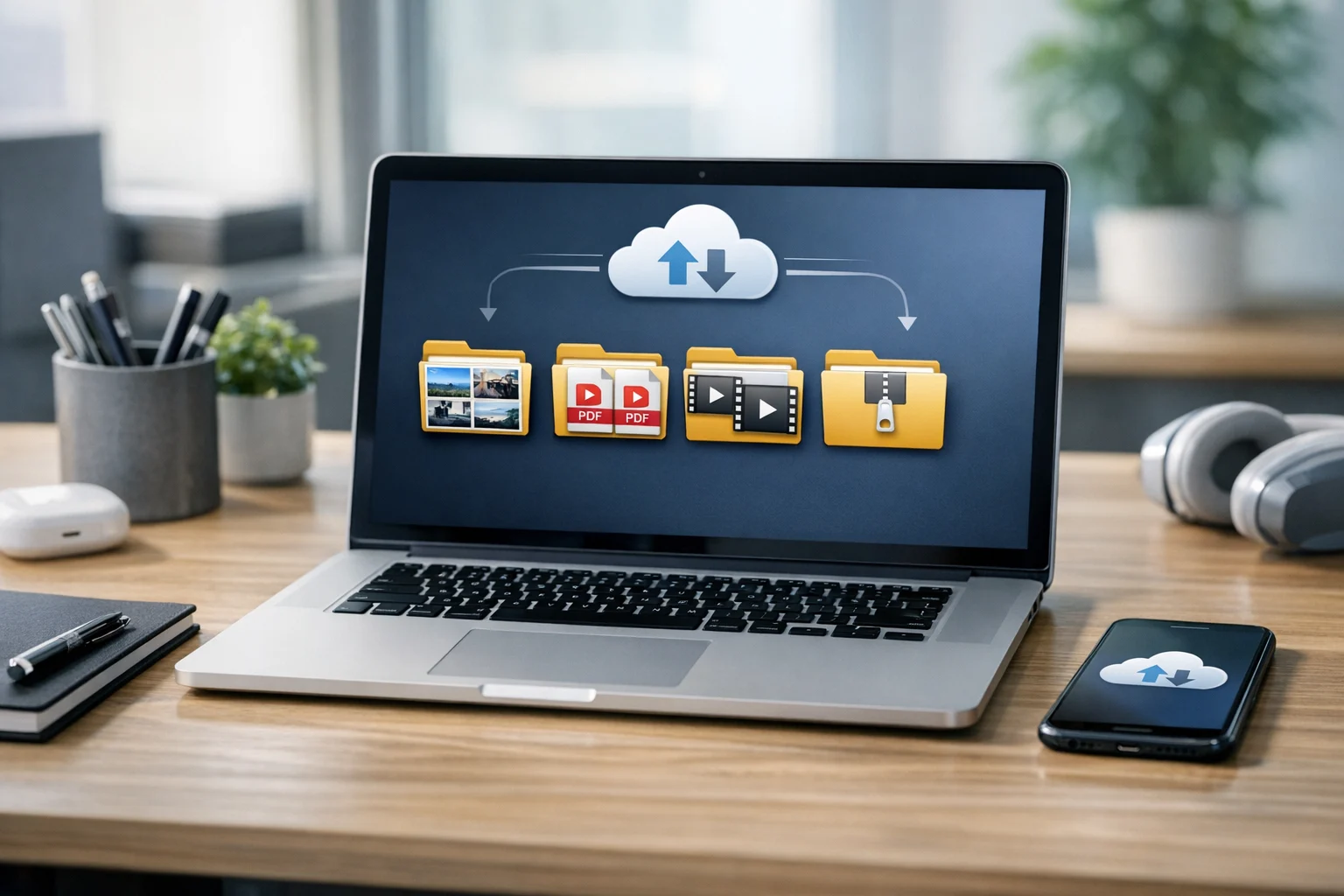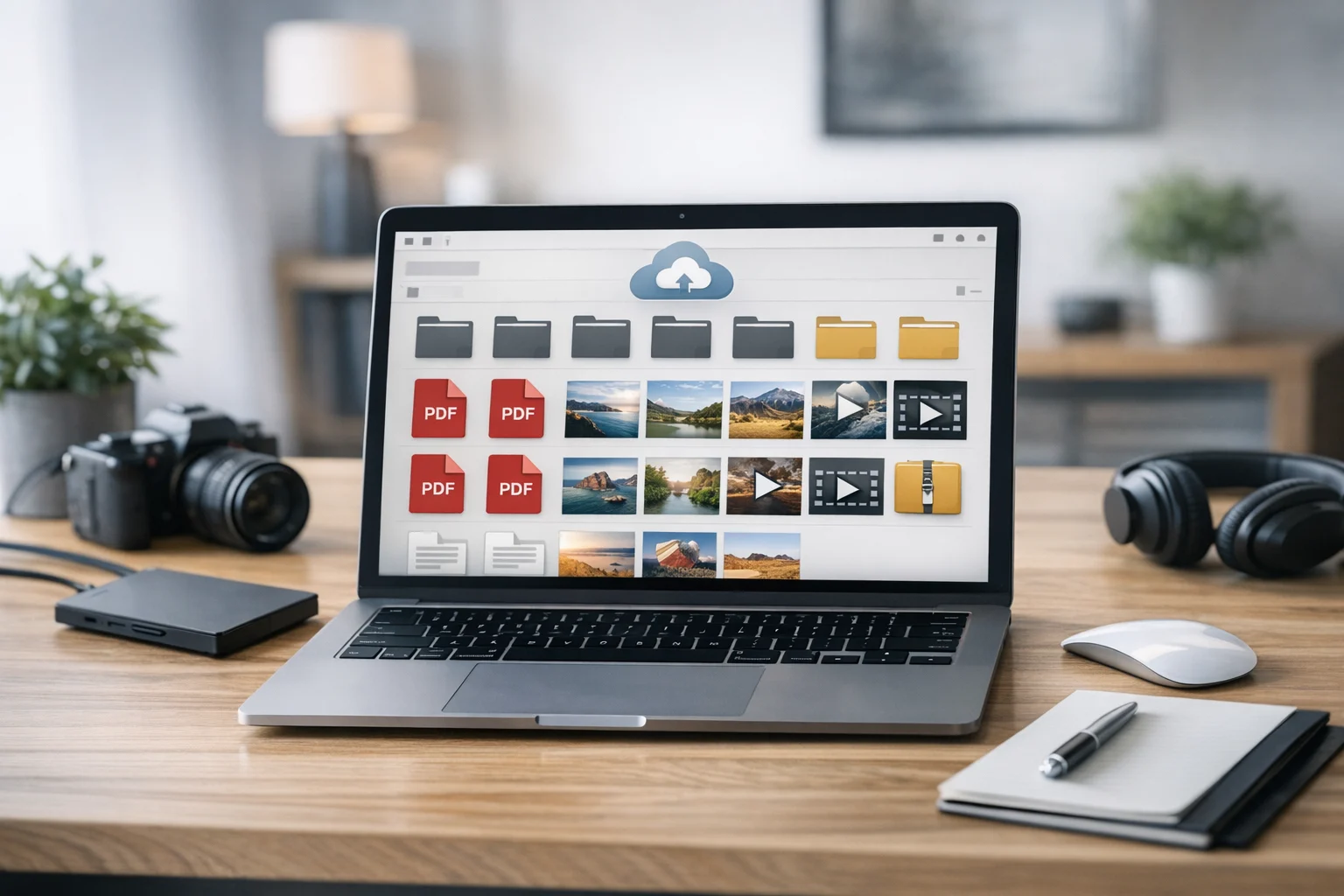

File conversion seems simple until you run into blurry images, oversized PDFs, broken video playback, duplicate folders, or a missing file you thought was backed up. Students, creators, marketers, freelancers, office teams, developers, and small businesses all deal with the same core problem: files need to move between formats, devices, apps, and people without becoming harder to manage.
A good system for online file conversion, file backup, and document storage helps you stay productive and avoid preventable mistakes. It also makes collaboration easier when everyone knows which version is current, where originals live, and which format should be used for sharing, editing, publishing, or archiving.
The goal is not to convert everything into a single format and hope for the best. The goal is to keep original files safe, create optimized versions for specific uses, store them securely, and make retrieval easy later. That applies whether you need to convert image files for a website, convert PDF files for presentations, compress project folders into a ZIP archive, or convert video files for social platforms and client delivery.
Start with originals and never overwrite them
The most important best practice is simple: keep the original file untouched. If you edit or convert the only copy, you lose your fallback option. This matters most with images, PDFs, and video, where repeated exports can reduce quality.
For example, if you receive a high-resolution PNG and convert it to JPG for a smaller upload, keep the PNG. If you later need transparent background support, the JPG version will not help. The same applies when using a PDF converter to create image previews from a document. A PDF to JPG version is useful for sharing individual pages, but it should not replace the source PDF.
A practical folder structure looks like this:
- Originals for source files only
- Converted for output files in new formats
- Compressed for ZIP archive or RAR archive versions
- Shared for files prepared for clients, classmates, or teams
- Archive for older versions you may still need
That one habit reduces accidental loss, makes version tracking easier, and improves file backup routines because you know exactly which files must be preserved long term.
Choose formats based on use, not habit
A lot of file clutter comes from converting files without asking what the final use actually is. The best format depends on whether the file is meant for editing, printing, uploading, emailing, publishing, or storage.
Images: pick the best image format for the job
There is no single best image format for every situation. The right choice depends on quality, transparency, compatibility, and file size.
JPG vs PNG is one of the most common comparisons. JPG is usually better for photos and everyday web images because file sizes are smaller. PNG is better for screenshots, graphics, logos, and images that need transparency. If you are trying to reduce upload size or speed up a web page, JPG often wins. If crisp edges and transparent backgrounds matter, PNG is usually the safer option.
WebP vs PNG comes up often for web publishing. WebP can offer smaller files while preserving good visual quality, which makes it useful for websites, landing pages, and content libraries. PNG still makes sense when you need broad editing compatibility or exact pixel rendering for certain design assets.
If you regularly convert image files for work or school, using dedicated image converter tools saves time and reduces format mix-ups. For instance, turning large website images into lighter WebP files is one of the fastest ways to improve delivery without redesigning anything.
If you know the exact output you need, a focused tool is even faster. A JPG to WebP converter is useful when you want smaller images for blogs, ecommerce pages, email assets, or project folders that are getting too large.
Documents: preserve layout when it matters
For contracts, reports, proposals, forms, handouts, and shareable records, PDF remains one of the most reliable formats. A PDF converter is helpful when you need to convert PDF files into images for previews, slides, or social posts, or when you need to assemble multiple images into a single document.
Common workflows include PDF to JPG for presentation visuals and image to PDF for scanned receipts, signed pages, school assignments, and grouped screenshots. If layout consistency matters, PDF is usually the safer format than editable documents because it behaves more predictably across devices.
When those tasks come up often, using dedicated PDF tools helps you standardize output and avoid the back-and-forth that happens when files open differently on different systems.
Video: optimize for compatibility first
Video files are large, and the wrong format can create unnecessary storage and playback issues. MP4 vs MOV is a common decision point. MP4 is generally the better default for sharing, streaming, uploading, and cross-platform compatibility. MOV can be useful in editing workflows, especially if you are staying inside certain creative tools, but it may produce larger files and less universal playback.
A good video converter workflow starts by defining the destination: social upload, website embed, archive copy, internal review, or final client delivery. If your priority is reach and easy playback, MP4 is usually the practical choice. If your priority is post-production flexibility, keep your original source and export a delivery copy separately.
That is why it is smart to keep both versions when you convert video files: one master for editing and one optimized version for sharing.
Protect quality during conversion
Not all conversion losses are obvious at first. A file may look fine on a laptop screen but show compression artifacts, missing transparency, fuzzy text, or audio sync issues later. Quality problems usually happen when files are converted multiple times, compressed too aggressively, or exported to a format that does not fit the content.
Use these rules to protect quality:
- Convert from the original file, not from another converted copy
- Test one file before batch processing a full folder
- Use lower compression only when the smaller size is worth the tradeoff
- Zoom in on images and check text edges, gradients, and transparent areas
- Open PDFs on desktop and mobile to verify readability
- Play video on at least two devices before distributing it widely
This matters with online file conversion because convenience can tempt people to rush. A quick review step prevents bad outputs from spreading into email attachments, shared drives, and client folders.
Use naming rules that make converted files easy to find
Many storage problems are really naming problems. If a folder contains files named final, final2, final-new, and final-use-this, conversion has already made your system harder to trust.
A simple naming format works better:
- project-name_original.ext
- project-name_web.ext
- project-name_print.ext
- project-name_2026-05-04.ext
- project-name_v2.ext
Adding the format purpose to the name is especially helpful when you convert image files or convert PDF files into multiple outputs. For example:
- brand-guide_original.pdf
- brand-guide_preview.jpg
- brand-guide_web-compressed.pdf
- brand-guide-print.pdf
If your team struggles with duplicate converted files, it also helps to standardize where outputs go. Always send conversions into the Converted folder, not into the same folder as source material.
For a deeper workflow on naming and avoiding clutter, the article How to Name Converted Files So They Stay Organized is a useful companion to any storage setup.
Know when to use file compression and archives
File compression helps with storage efficiency and sharing, but it should be used for the right reasons. Compression can reduce transfer size, bundle related assets, and make backups easier to manage. It is especially useful for folders containing multiple documents, media assets, or project deliverables.
A ZIP archive is the best default for most users because it is widely supported across operating systems and easy to open without extra tools. A RAR archive may offer advantages in some cases, especially when you need stronger compression options or are working in workflows that already use RAR regularly. Still, ZIP is often more practical for everyday sharing.
Use file compression when:
- You need to send multiple files as one package
- You want to reduce upload or email size
- You are archiving completed projects
- You want cleaner folder-based backups
Avoid compressing files just because they are large. Some formats, like JPG, MP4, and PDF, may not shrink much inside an archive because they are already compressed. In those cases, format conversion or targeted optimization may be more effective than creating a ZIP archive.
If you need to package folders cleanly, the Archive Tools section is a practical place to create archives or adapt archive types for compatibility.
Build a backup system before you need recovery
File backup is not only for disasters. It protects against accidental deletion, bad edits, device failure, ransomware, sync mistakes, and simple human error. If converted files matter to your work, school, or clients, they should exist in more than one place.
A strong starting point is the 3-2-1 backup rule:
- Keep 3 copies of important files
- Store them on 2 different types of media or services
- Keep 1 copy off device or off site, such as in cloud storage
In practical terms, that might mean:
- Your working files on your laptop
- A backup copy on an external drive
- A synced copy in cloud storage
For creators, marketers, and teams handling frequent conversions, it helps to decide which files deserve full backup coverage. Source files, signed documents, financial records, client deliverables, and approved final assets should always be backed up. Temporary exports, test conversions, and duplicate previews may not need long-term storage.
This is where document storage policies help. If you keep everything forever, storage becomes expensive and hard to search. If you delete too aggressively, you lose your history. Create a simple retention rule such as:
- Keep originals indefinitely
- Keep final approved outputs indefinitely or for a required compliance period
- Keep work in progress for 30 to 180 days depending on project type
- Delete temporary conversions after delivery or approval
Use cloud storage with security in mind
Cloud storage is one of the easiest ways to keep files accessible across devices and backed up automatically, but convenience should not come at the expense of privacy. If you work with contracts, IDs, financial records, private client assets, or internal company material, security matters just as much as storage space.
Look for these features in a storage workflow:
- Access controls for shared folders
- Password-protected accounts with strong unique passwords
- Two-factor authentication
- Version history
- Recovery options for deleted files
- Encrypted cloud storage for sensitive content
Encrypted cloud storage is especially important for files that contain personal or business data. It adds another layer of protection so sensitive files are not simply sitting in plain form. If privacy and compliance matter in your work, secure handling should be part of your conversion workflow, not something added later.
People often search for cheap cloud storage first, but lower cost should not be the only factor. Affordable storage is useful, but it should still support strong sharing controls, reliable sync, and a sensible recovery process. The best value is not just low price per gigabyte. It is a setup that keeps files available, organized, and protected.
For a closer look at privacy-focused storage, read How Encrypted Cloud Storage Protects Sensitive Business Files. It is especially useful for small businesses, freelancers, and office teams that handle client or internal documents.
Separate working storage from long-term storage
Not every file should live in the same place forever. Working storage is where active projects move quickly, receive edits, and generate multiple exports. Long-term storage is where approved, important, or legally necessary files are kept for future access.
This separation helps in three ways:
- Active folders stay lighter and easier to search
- Backups focus on files that actually matter
- Archive copies are less likely to be edited accidentally
For example, a freelancer might keep current design files in a synced workspace, move final deliverables into secure file storage after approval, and bundle completed projects into a yearly archive. A student might keep current coursework locally and in cloud storage, then archive finished semesters into compressed folders.
That approach also reduces the temptation to keep converting the same file again because you know where the approved output already lives.
Be careful when sharing converted files
A file that is easy to open is not always a file that is safe to share. Before sending converted documents or media, check the following:
- Does the file contain hidden metadata?
- Does it reveal more pages, layers, or comments than intended?
- Is the quality level appropriate for the audience?
- Should it be view-only rather than editable?
- Would a compressed archive be cleaner for delivery?
For example, sending image-to-PDF outputs can be a neat way to package scans, but make sure pages are in the right order and readable on mobile. Sending PDF-to-JPG previews can help people view content quickly, but do not rely on low-resolution previews when text detail matters.
With video, a preview export might be enough for review, while the final approved version belongs in secure file storage with limited access. Small choices like this reduce confusion and protect your work.
Create a simple repeatable workflow
The best system is the one you will actually follow. A repeatable workflow keeps conversion, storage, and backup from becoming random tasks.
Here is a practical example:
- Save the original file in an Originals folder
- Use a file converter only for the output needed
- Name the converted version by purpose, such as web, print, preview, or share
- Check quality on the target device or platform
- Compress related files only when bundling improves transfer or storage
- Sync important files to cloud storage
- Back up originals and final approved versions on a second system
- Move completed work into archive storage on a schedule
This process works whether you are using an image converter for website assets, a PDF converter for reports, or a video converter for client delivery. It keeps files useful instead of just processed.
If you want one place to handle common online file conversion tasks and keep your workflow cleaner, explore the tools on ConvertAndStore. You can convert, compress, and organize files more efficiently, then store the versions that actually deserve to be kept.
Frequently Asked Questions
Keep the original file in a separate folder and never overwrite it. Convert from the source file, save the output with a clear name like web or print, and review the result before sharing or deleting anything.
JPG is usually best for photos, while WebP often gives even smaller web friendly files with good quality. PNG is better when you need transparency or sharper graphics. The right choice depends on how the image will be used.
Use a ZIP archive when you want to bundle multiple files or folders into one package for sharing or backup. If your goal is to reduce the size of a single image, PDF, or video, conversion or targeted compression is often more effective than archiving.
Cloud storage is helpful, but it should not be your only backup. A better approach is to keep copies in at least two places, such as your computer, an external drive, and cloud storage, so one sync error or device failure does not wipe out everything.
Look for encrypted cloud storage, strong access controls, version history, recovery options, and two factor authentication. These features help protect sensitive files and make it easier to recover from accidental deletion or unwanted changes.